
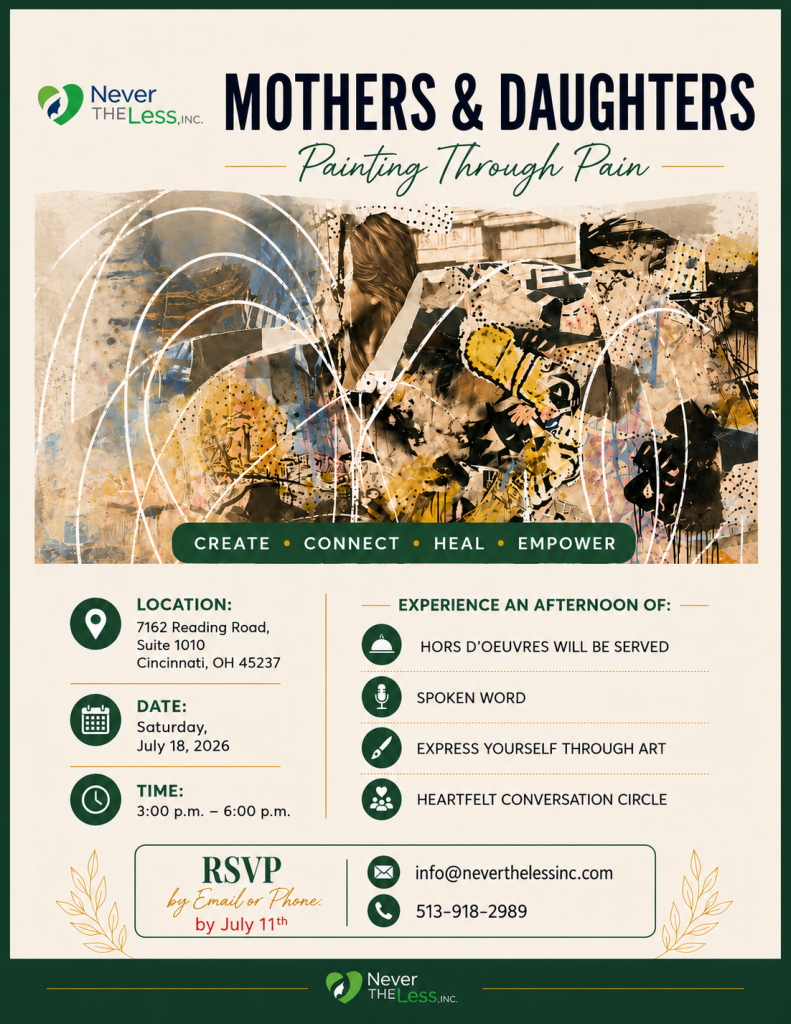
Upcoming Event
Painting Through Pain
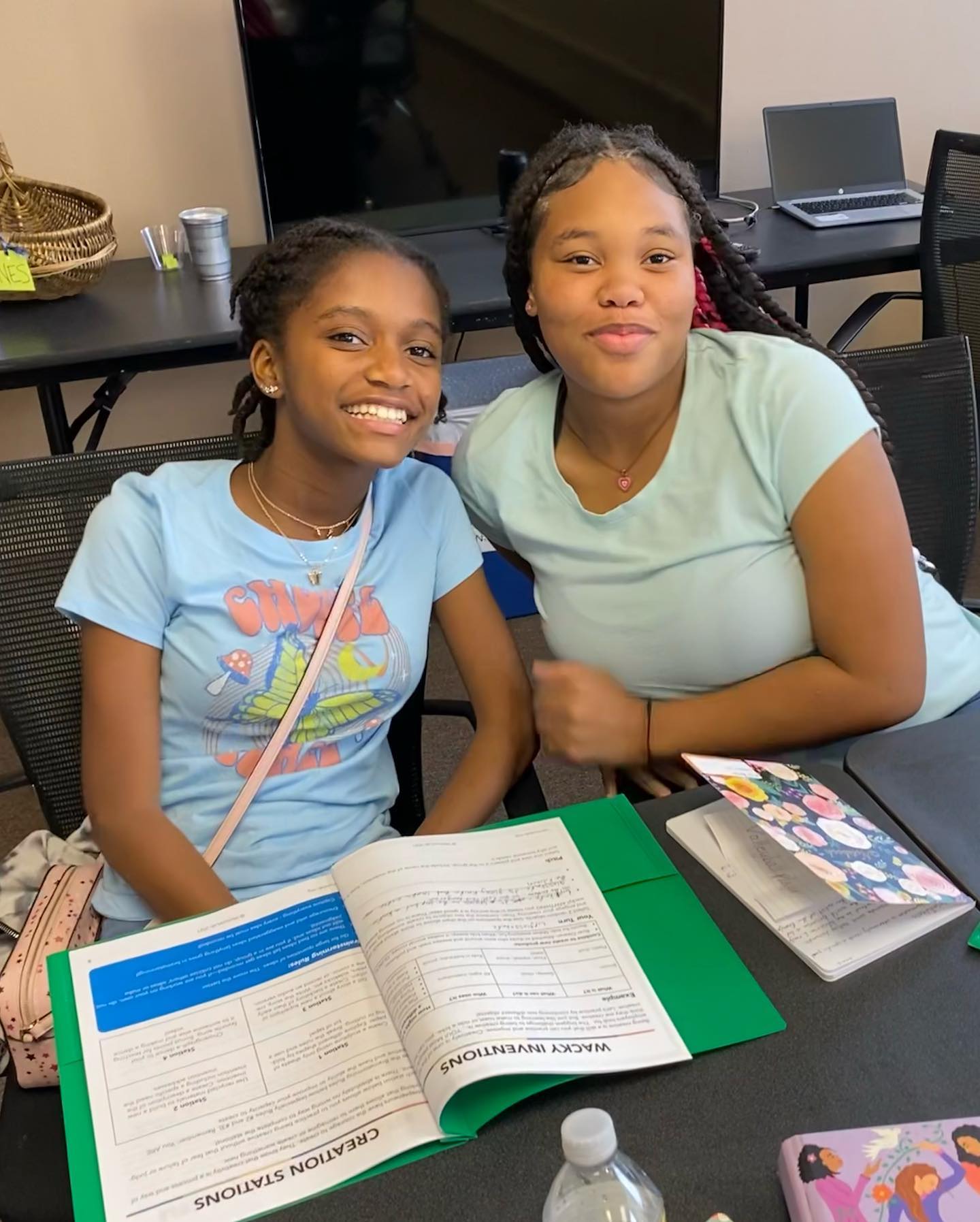
Never The Less, Inc. is a faith-based 501(3)c non-profit organization that provides programs and fun events for 6th-11th grade girls in the Tri-State area to enhance their potential in high school, encourage graduation, and prepare them for employment, career choices, and a more positive future.
Our mission and vision are integral to who we are as an organization.
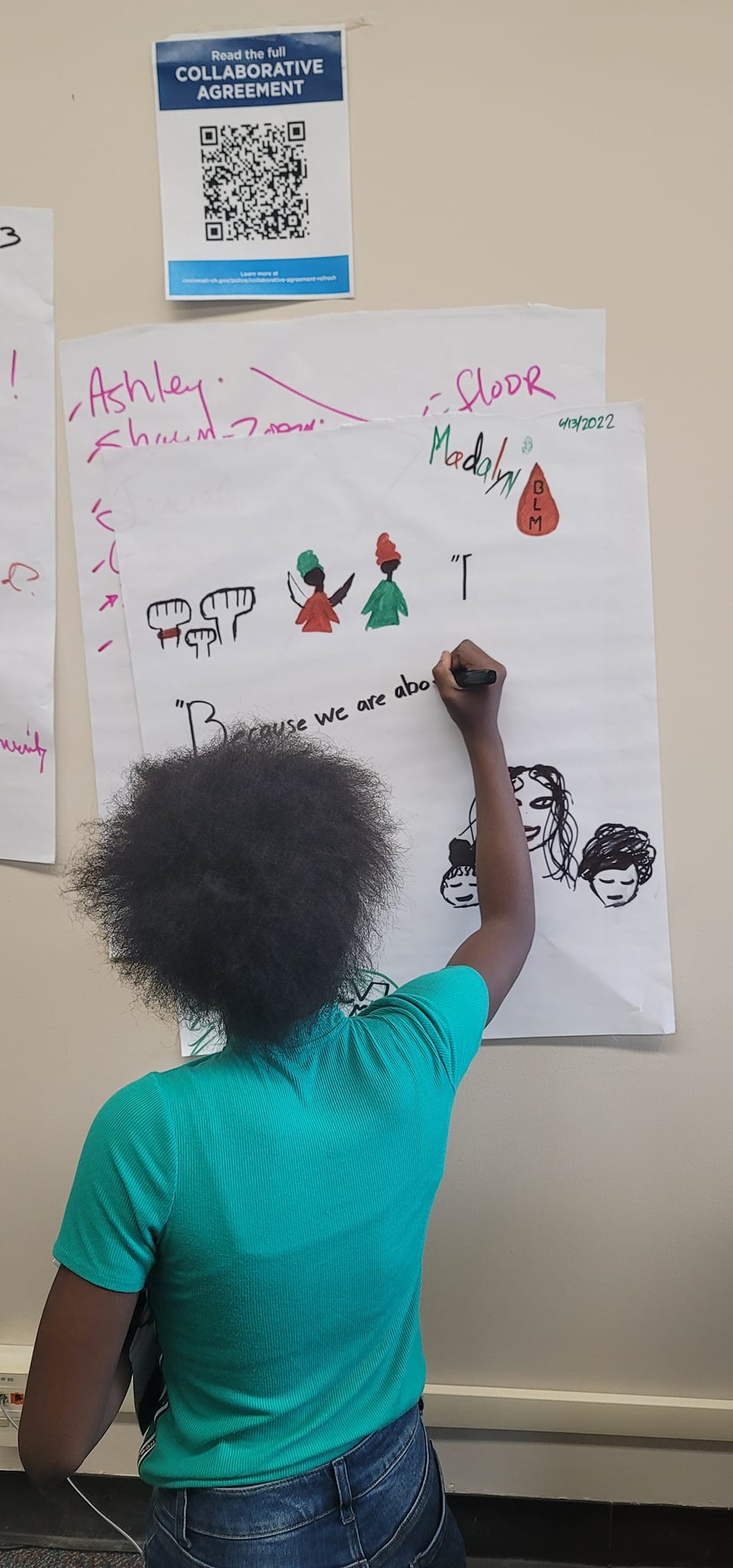
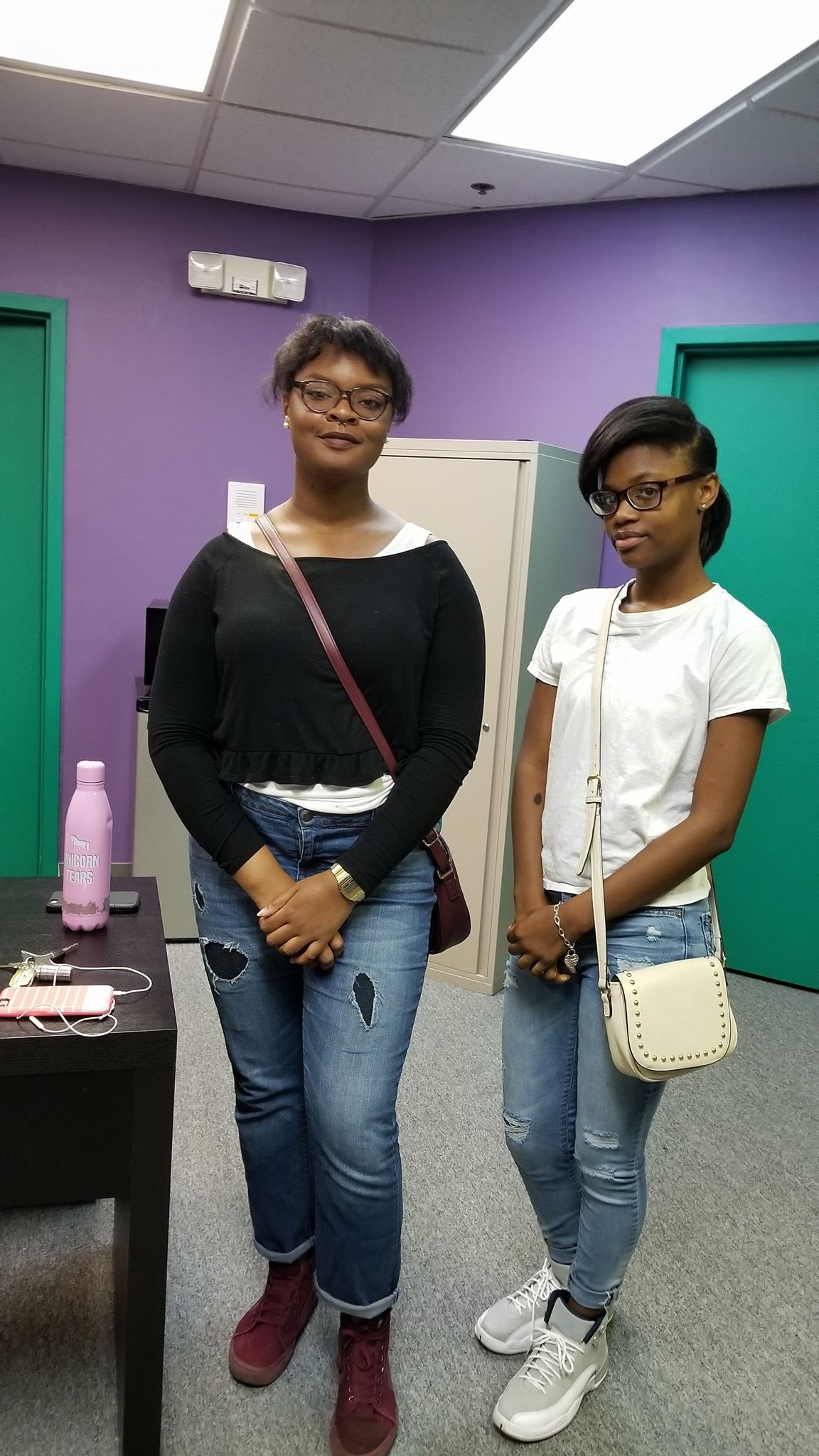
Our Mission
Empowerment
To provide programs that inspire, motivate, and empower girls to walk confidently into their future.
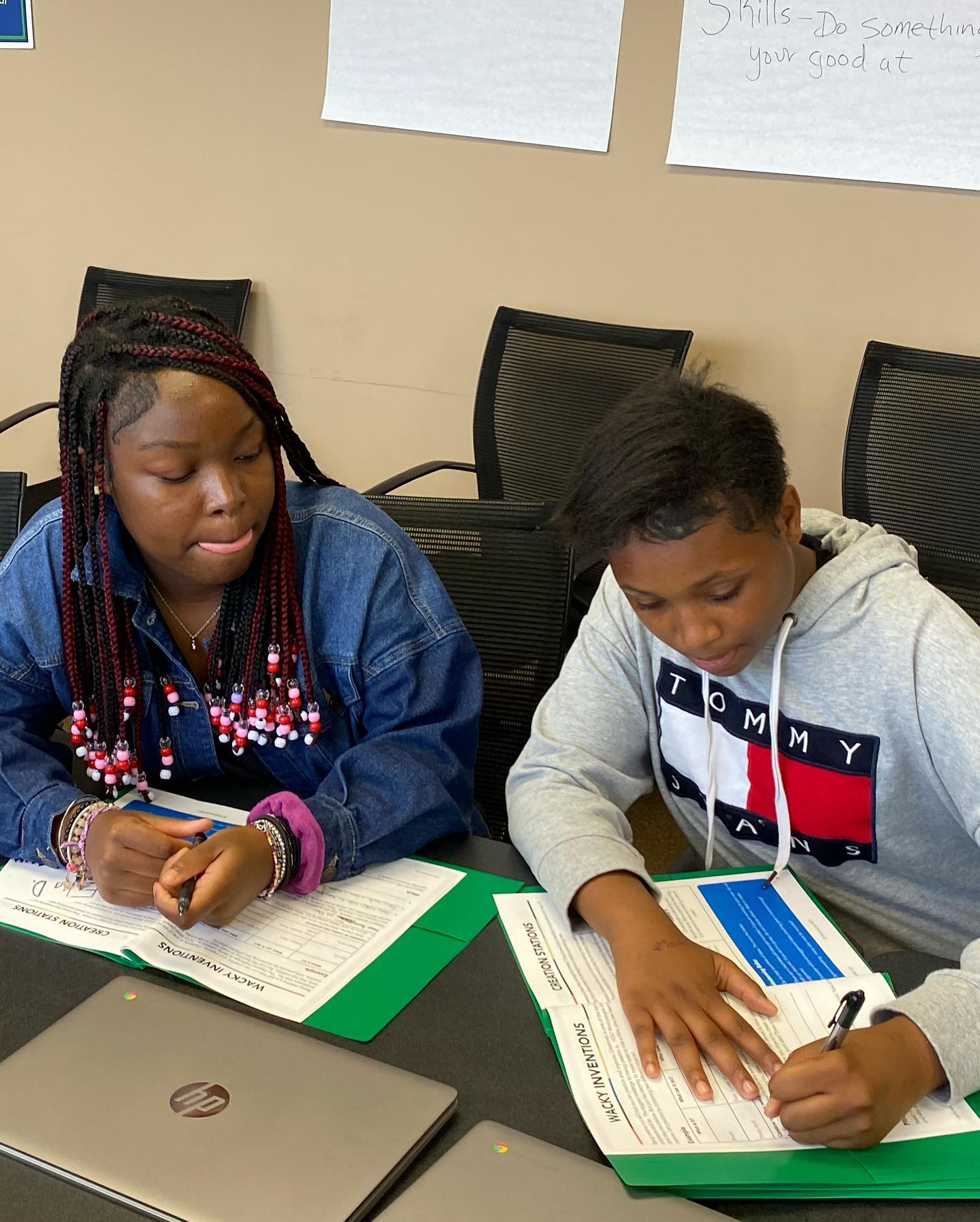
Our Vision
Support
Every young woman in the Tri-State area recognizes the value of her education and has the skills and support to achieve a positive, prosperous future.
Volunteer
Volunteers are the heart and soul of our organization and all help is welcome. If you have time or talent to spare, please consider joining us in making a difference in the lives of young women.
Ways to volunteer:
- Be a mentor- Mentors should be passionate about helping young women to thrive. We use group mentoring so each group of young women will be led by 2-3 mentors. Time commitment is about two hours per week. All mentors will have to undergo a BCII (Ohio Bureau of Criminal Investigation and Identification) background check.
- Be a guest speaker
- Be a tutor
- Serve during special projects
- Host a fundraising event
- Host a summer intern at work (paid or unpaid)
- Cook a meal

Never Again
Self-Esteem Confidence Opportunity
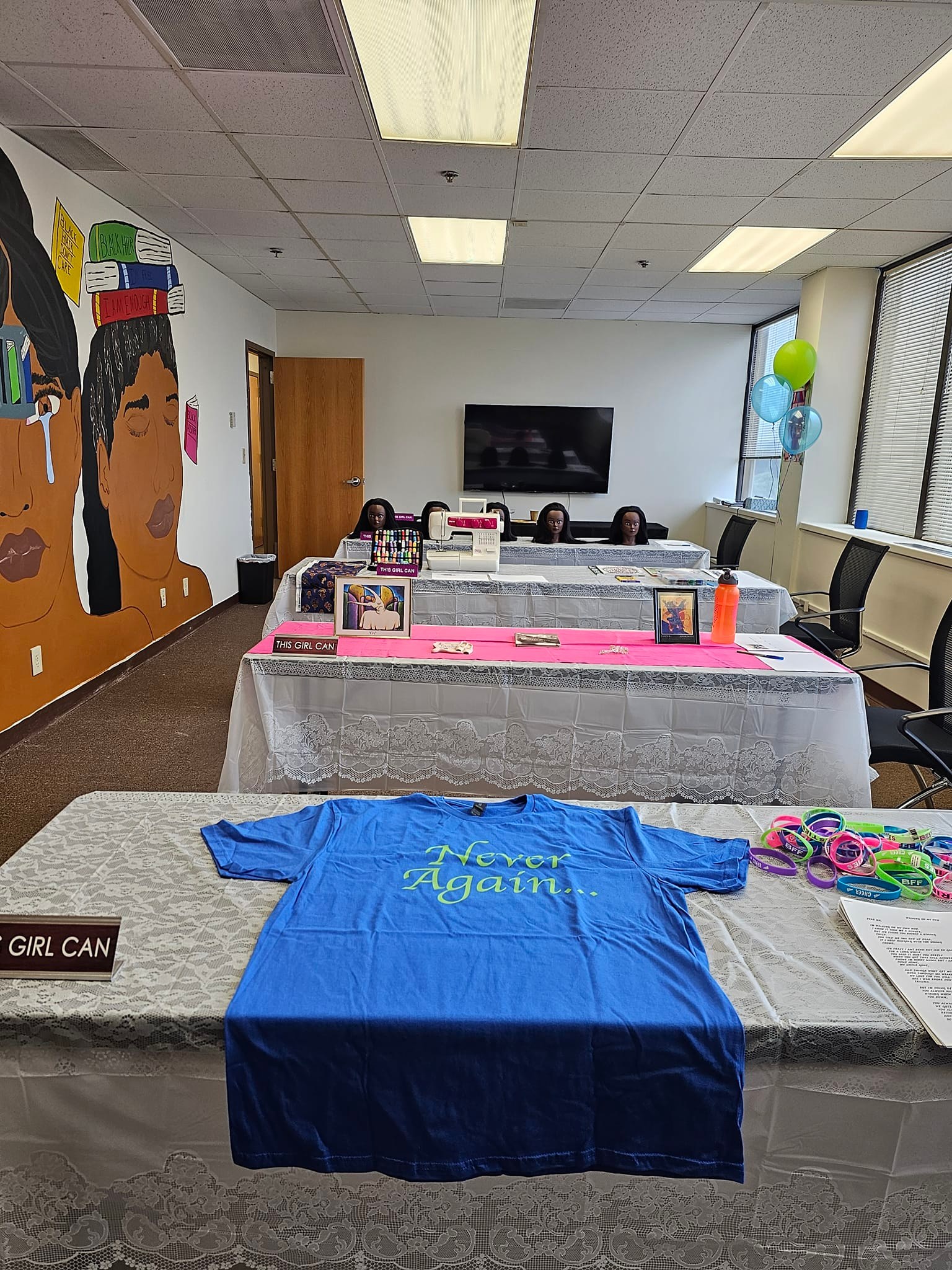
Never Again provides teaching and services that promote self-esteem, healthy lifestyles, confidence, literacy and training for employable opportunities. The program helps to redirect girls and young women from societal pressures and unhealthy expectations to a vision of a better future for them.

Camp E.V.E.
Self-Esteem Confidence Opportunity
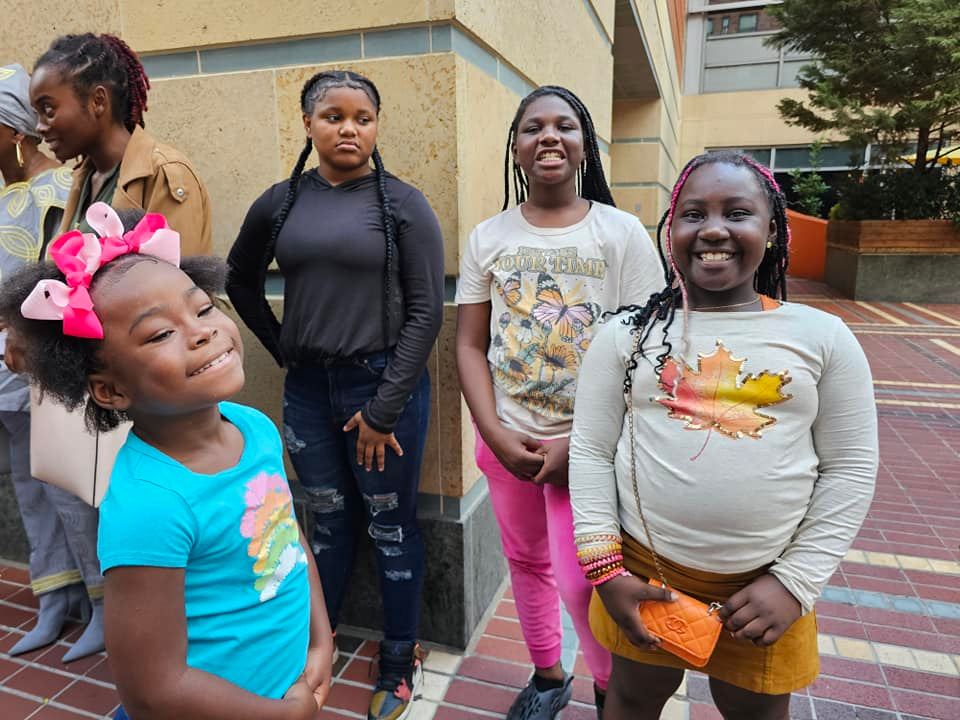
Camp E.V.E. is an 8-week summer enrichment program for girls aged 14-16 that translates career readiness lessons to real-world applications.
Latest Blog & Article

Harriet Tubman: Born into slavery, Harriet Tubman escaped and subsequently made some 13 missions to rescue approximately 70 enslaved people, including family and friends, using the network of antislavery activists and safe houses known as the Underground Railroad. She also served as a scout, spy, and nurse for the Union Army during the Civil War. Madam C.J. Walker: Born Sarah Breedlove, Madam C.J. Walker was an entrepreneur, philanthropist, and social activist. She developed and marketed a line of hair care products for Black women, becoming one of the first American women to become a self-made millionaire. Rosa Parks: Known as "the mother of the freedom movement," Rosa Parks refused to give up her seat on a bus to a white man in Montgomery, Alabama, in 1955. This act of defiance sparked the Montgomery bus boycott and became a pivotal moment in the Civil Rights Movement. Shirley Chisholm: In 1968, Shirley Chisholm became the first Black woman elected to the United States Congress. She represented New York's 12th congressional district for seven terms and in 1972, she became the first Black candidate for a major party's nomination for President of the United States. Katherine Johnson, Dorothy Vaughan, and Mary Jackson: These brilliant mathematicians, known as "human computers," were instrumental in NASA's early space missions. Their calculations were critical to the success of Project Mercury and the Apollo program, including the first American orbital spaceflight and the moon landing. Mae C. Jemison: Mae Jemison became the first Black woman to travel to space in 1992. She was a science mission specialist on Space Shuttle Endeavour, conducting experiments in life and material sciences. Oprah Winfrey: Overcoming a challenging childhood, Oprah Winfrey became a media executive, actress, talk show host, television producer, and philanthropist. Her talk show, The Oprah Winfrey Show, was...

Black women possess a multitude of strengths, many of which are forged through navigating unique challenges and systemic barriers. Here are some key strengths: Resilience: Black women have historically faced, and continue to face, significant adversity including racism, sexism, and socioeconomic disparities. This has cultivated remarkable resilience and the ability to overcome obstacles. Strength: They often carry the weight of family and community responsibilities, demonstrating incredible inner strength and determination. Perseverance: Despite facing systemic barriers, Black women persevere in their pursuit of education, careers, and personal goals. Creativity: Black women have significantly contributed to various forms of art, music, literature, and culture, showcasing their creativity and innovation. Community-oriented: They frequently play vital roles in their communities, leading and supporting initiatives that uplift and empower others. Empathy and Compassion: Their lived experiences often foster deep empathy and compassion for others facing struggles. Intelligence and Resourcefulness: Black women have consistently demonstrated intelligence and resourcefulness in navigating complex systems and finding solutions.

Black women have long been leaders in their communities, driving change, advocating for justice, and breaking barriers across various fields. Their leadership is characterized by resilience, creativity, and a deep commitment to social justice. Empowering Black women as leaders is crucial for fostering diversity, equity, and inclusion in all sectors of society. Here’s an overview of the significance of Black women as leaders and the unique challenges and opportunities they face: 1. Historical Legacy of Leadership Civil Rights Movement: Black women have played pivotal roles in the Civil Rights Movement, with figures like Rosa Parks, Fannie Lou Hamer, and Ella Baker leading efforts for racial equality and social justice. Their leadership was often at the grassroots level, organizing communities and advocating for systemic change. Community Organizing: Historically, Black women have been at the forefront of community organizing, from leading church groups to founding social organizations that address the needs of their communities. Their leadership has often been rooted in a deep sense of responsibility to uplift and support their communities. 2. Breaking Barriers Overcoming Racism and Sexism: Black women leaders often face the dual challenge of racism and sexism, making their achievements even more remarkable. Despite these obstacles, they have continued to break barriers in politics, business, education, and other fields. Representation: The visibility of Black women in leadership roles is essential for challenging stereotypes and providing role models for future generations. Leaders like Kamala Harris, the first Black woman Vice President of the United States, and Stacey Abrams, a political leader and voting rights activist, exemplify the impact of Black women in positions of power. 3. Leadership Styles Resilience and Strength: Black women leaders often demonstrate remarkable resilience, having had to navigate and overcome systemic discrimination. Their strength and determination are central to their leadership style, inspiring others to...

The history and significance of hair care for African American women is deeply rooted in cultural, social, and political contexts. For centuries, hair has been a powerful symbol of identity, heritage, and resistance for African American women. From the intricate braids and styles of African ancestors to the natural hair movement of today, hair has been a form of self-expression and cultural pride. During the transatlantic slave trade, African American women's hair was often forcibly shaved, stripping them of their cultural identity and self-esteem. Despite these hardships, enslaved women found ways to care for their hair using homemade products and traditional techniques, preserving their heritage through hairstyles like braids and twists. In the 20th century, as African American women navigated a society that often discriminated against them based on their appearance, hair care became a way to assert control and confidence. The development of hair care products specifically for African American women, such as Madam C.J. Walker's line, marked a significant moment in the history of Black entrepreneurship and beauty culture. These products not only helped women care for their hair but also fostered a sense of community and empowerment. The 1960s and 1970s saw the rise of the natural hair movement, where African American women embraced their natural textures as a statement of pride and resistance against Eurocentric beauty standards. This movement continues today, with many women choosing to wear their hair in its natural state, celebrating the beauty and diversity of Black hair. Caring for hair remains important for African American women as it is intricately linked to their identity, self-expression, and cultural heritage. Hair care routines and products are tailored to meet the unique needs of Black hair, which can be more prone to dryness and breakage. By nurturing their hair, African American women not only maintain...

A nutrition class for young girls is designed to educate them on the fundamentals of healthy eating and the importance of nutrition in their overall well-being. The class is engaging, interactive, and age-appropriate, aiming to instill lifelong healthy habits in a fun and accessible way. 1. Introduction to Nutrition What is Nutrition? The class begins with a basic explanation of what nutrition is and why it’s important. It covers how food provides the energy and nutrients needed for growth, development, and daily activities. Food Groups: Students learn about the major food groups—fruits, vegetables, grains, protein, and dairy—and how each group contributes to a balanced diet. 2. Understanding Nutrients Macronutrients: The class introduces the three main macronutrients—carbohydrates, proteins, and fats. It explains their roles in the body, such as providing energy, building and repairing tissues, and supporting brain function. Micronutrients: Students also learn about vitamins and minerals, which are essential for various body functions, like keeping the immune system strong and helping bones grow. 3. Healthy Eating Habits Balanced Meals: The class teaches how to create a balanced meal using a variety of foods from different food groups. The concept of “MyPlate” or a similar visual guide might be used to show how to portion different types of foods on a plate. Snacking Wisely: Young girls are encouraged to choose healthy snacks, such as fruits, vegetables, nuts, and yogurt, over sugary or processed snacks. The importance of moderation is also discussed. Hydration: The importance of drinking water regularly is emphasized, along with the benefits of staying hydrated for energy levels, concentration, and overall health. 4. Reading Food Labels Understanding Labels: Students learn how to read and understand basic information on food labels, such as serving sizes, calorie content, and the ingredients list. This knowledge helps them make informed choices about the...

Teaching young women etiquette and manners is essential in helping them navigate social situations with confidence, respect, and grace. While societal norms continue to evolve, the following basic rules of etiquette remain timeless and are valuable for young women to learn: 1. Respect for Others Politeness: Always use polite language, including "please," "thank you," and "excuse me." This shows respect for others and acknowledges their presence and contributions. Listening: Practice active listening by giving full attention when someone is speaking. Avoid interrupting and respond thoughtfully to show that you value their words. Consideration: Be considerate of others' feelings, opinions, and space. This includes respecting personal boundaries and being mindful of how your actions affect those around you. 2. Positive Communication Eye Contact: Maintain appropriate eye contact during conversations to show engagement and sincerity. Tone of Voice: Speak in a clear, calm, and respectful tone. Avoid raising your voice or using a condescending tone, even in disagreements. Body Language: Be aware of non-verbal cues such as posture, facial expressions, and gestures. Positive body language, like smiling and nodding, can enhance communication. 3. Table Manners Proper Use of Utensils: Teach the correct way to hold and use utensils, including the fork, knife, and spoon. Start from the outside and work your way in when using multiple utensils. Napkin Etiquette: Place the napkin on your lap as soon as you sit down and use it to dab your mouth, not to wipe your face. Place it neatly on the table to the left of your plate when you’re done eating. Chewing and Speaking: Chew with your mouth closed and avoid talking with food in your mouth. Wait until you have swallowed before speaking. 4. Social Etiquette Introductions: When introducing yourself or others, make eye contact, smile, and offer a firm handshake. Use titles...
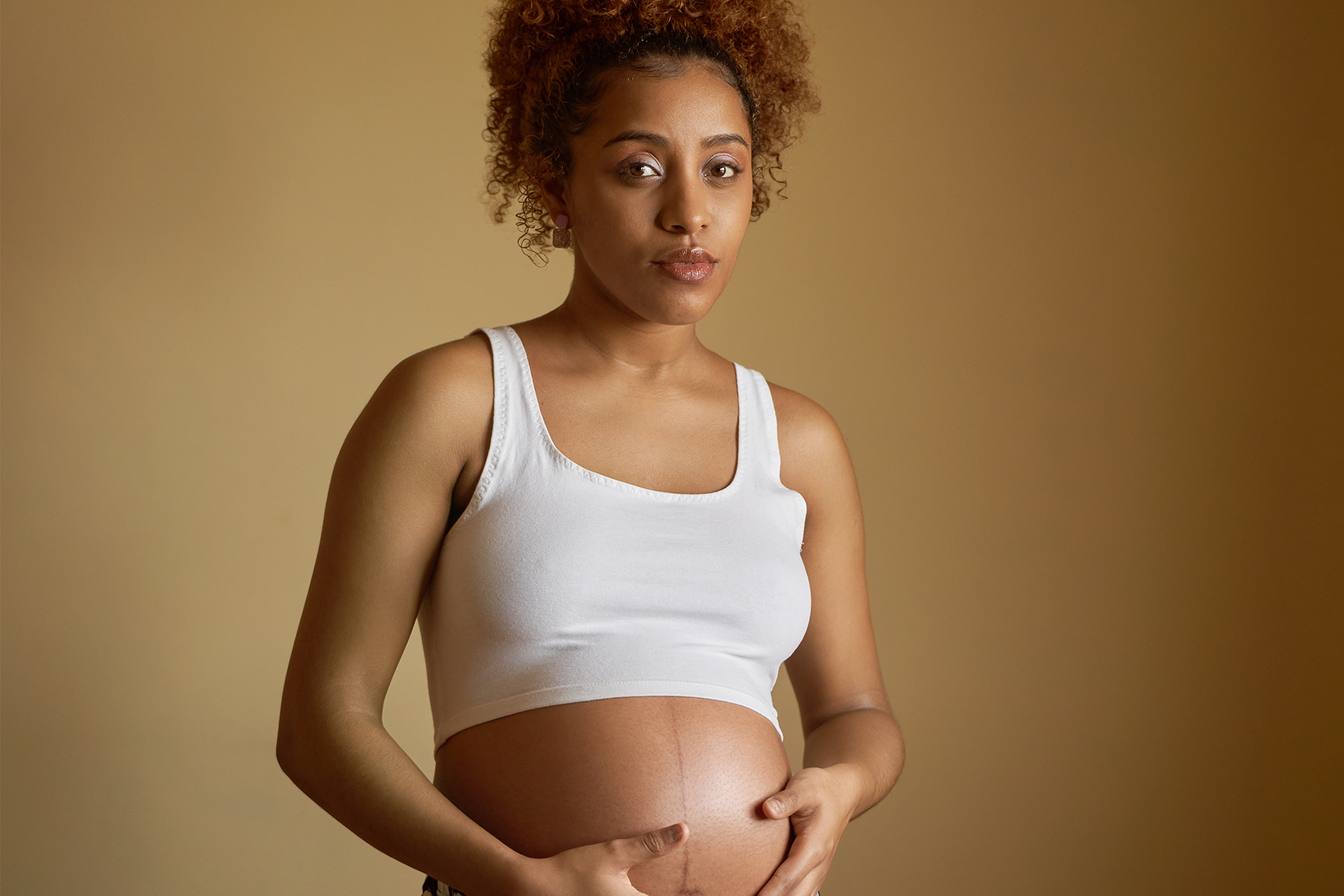
Young African American single mothers face a unique set of challenges, often compounded by systemic inequalities and social factors. Here are some of the key challenges they may encounter: Financial Strain: Economic hardship is a significant challenge for many young single mothers, particularly African Americans who may face higher rates of poverty. Limited access to well-paying jobs, lack of affordable childcare, and insufficient social support systems can exacerbate financial difficulties. Educational Barriers: Completing education can be challenging for young single mothers, as they may struggle to balance caregiving responsibilities with schoolwork. High school dropout rates are higher among teenage mothers, which can limit their future earning potential and perpetuate the cycle of poverty. Healthcare Access: Access to healthcare services, including prenatal care and postnatal support, can be limited for young single mothers, especially those from low-income backgrounds. This can impact both their own health and the health outcomes of their children. Housing Insecurity: Securing safe and stable housing can be difficult for young single mothers, particularly if they are living on a limited income. Homelessness or unstable housing situations can have detrimental effects on both the mother and her children's well-being. Social Stigma and Discrimination: Young single mothers, particularly those who are African American, may face social stigma and discrimination, which can affect their self-esteem and mental health. Negative stereotypes and judgment from others can contribute to feelings of isolation and shame. Lack of Support Networks: Young single mothers often lack adequate support networks, including family, friends, or community resources, to help them navigate the challenges of parenthood. This lack of support can increase feelings of stress and overwhelm. Parenting Challenges: Parenting at a young age comes with its own set of challenges, including balancing the needs of the child with personal development and growth. Young single mothers may lack...
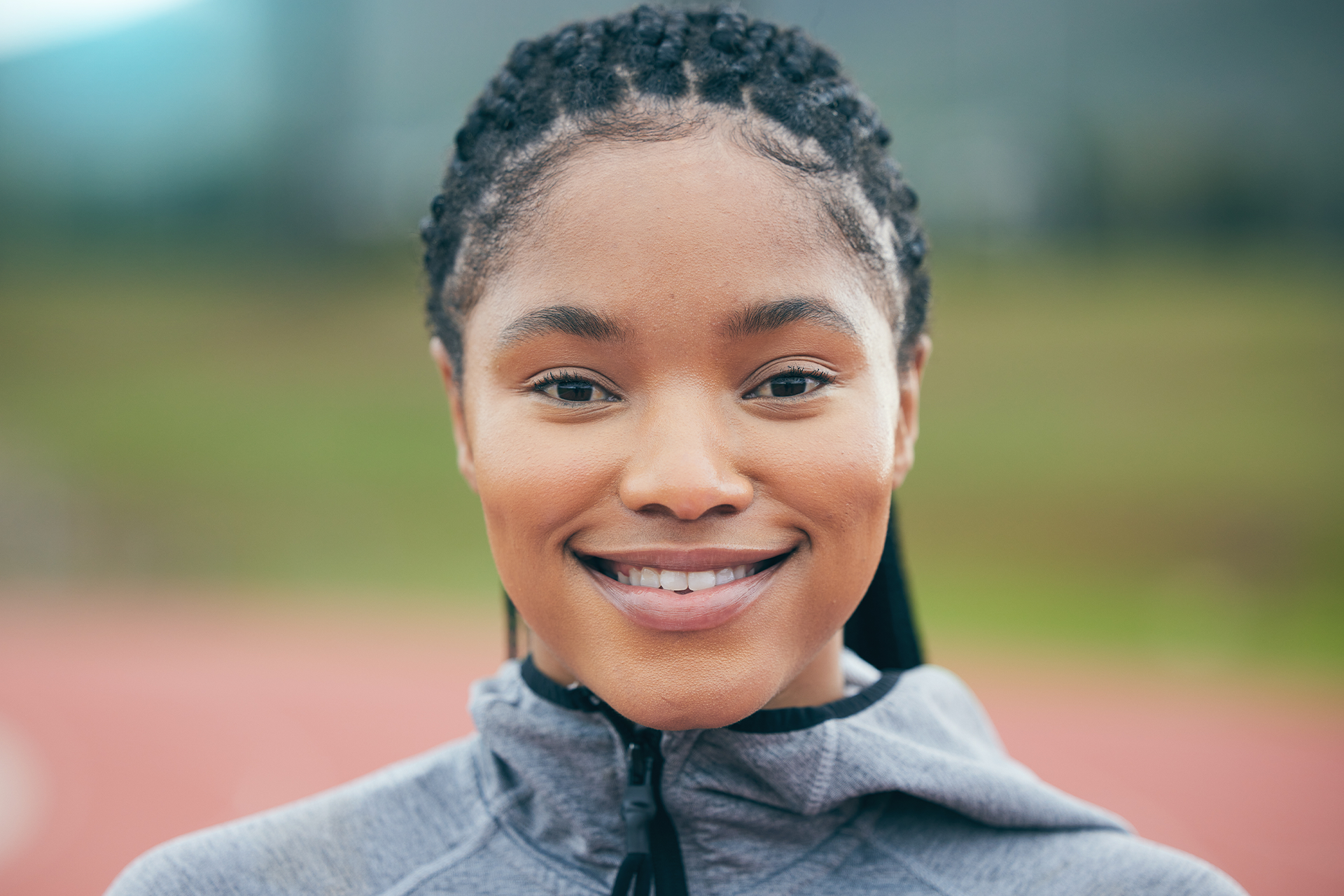
The perception of female athletes has evolved significantly over time, but there are still nuances and challenges to address. Here's a breakdown: Historical Context: In the past, female athletes often faced discrimination, limited opportunities, and stereotypes suggesting that sports were primarily for men. Women's participation in sports was sometimes seen as less important or valuable compared to men's sports. Changing Attitudes: Over the years, attitudes have shifted, and there's been a growing recognition of the skill, dedication, and athleticism of female athletes. This change has been driven by increased visibility of women's sports, successful female athletes breaking records and barriers, and advocacy for gender equality in sports. Media Representation: Media plays a crucial role in shaping perceptions. Historically, coverage of women's sports lagged behind men's, but there has been improvement. However, there are still criticisms of unequal coverage, focus on appearance rather than skill, and reinforcement of gender stereotypes. Gender Stereotypes: Despite progress, gender stereotypes persist, impacting the perception of female athletes. Some stereotypes include the belief that women are not as physically capable as men, that certain sports are not suitable for women, or that female athletes should prioritize femininity over athleticism. Empowerment and Role Models: Female athletes serve as powerful role models, inspiring other women and girls to pursue their athletic ambitions, challenging societal norms, and advocating for gender equality in sports. Their success contributes to changing perceptions and creating more opportunities for future generations. Challenges and Inequality: Despite advancements, challenges remain, including unequal pay, limited sponsorship opportunities, lack of investment in women's sports, and barriers to participation and leadership roles. Addressing these issues is crucial for achieving true equality in sports. Overall, while there has been progress in the perception of female athletes, there is still work to be done to challenge stereotypes, promote equal opportunities, and...
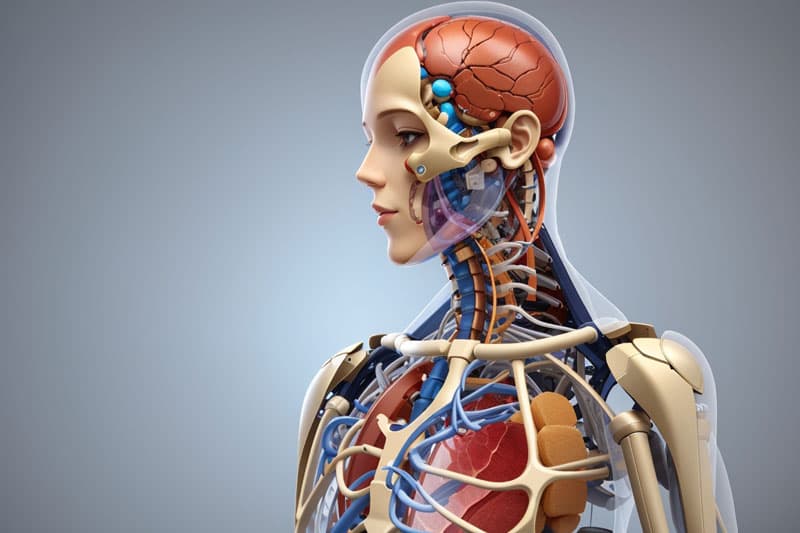
Health disparities affecting Black girls encompass a range of interconnected factors that contribute to inequalities in physical, mental, and emotional well-being. Here are some key points to consider: Access to Healthcare: Black girls often face barriers to accessing quality healthcare services, including lack of insurance coverage, limited availability of healthcare providers in their communities, transportation challenges, and systemic racism within healthcare systems. These barriers can result in delayed or inadequate medical care, leading to poorer health outcomes. Chronic Health Conditions: Black girls are disproportionately affected by chronic health conditions such as obesity, asthma, diabetes, hypertension, and sickle cell disease. These disparities are influenced by a combination of genetic factors, socio-economic status, environmental factors, and unequal access to preventive care and healthy food options. Maternal and Infant Health: Black girls are at higher risk of maternal mortality and morbidity compared to their white counterparts. Factors contributing to these disparities include inadequate prenatal care, higher rates of maternal health complications, racial bias in healthcare, and socio-economic factors. Additionally, Black infants are more likely to be born premature, have low birth weight, and experience infant mortality. Mental Health: Black girls experience significant disparities in mental health outcomes, including higher rates of depression, anxiety, post-traumatic stress disorder (PTSD), and suicide attempts compared to their peers. These disparities are influenced by various factors, including exposure to trauma, discrimination, poverty, limited access to mental health services, and cultural stigma surrounding mental illness. Nutrition and Food Insecurity: Black girls are more likely to live in food-insecure households and have limited access to healthy, affordable food options. This can contribute to higher rates of obesity, malnutrition, and diet-related health conditions among Black girls and their families. Environmental Exposures: Black girls are disproportionately exposed to environmental hazards such as air pollution, lead contamination, and toxic substances in their communities....
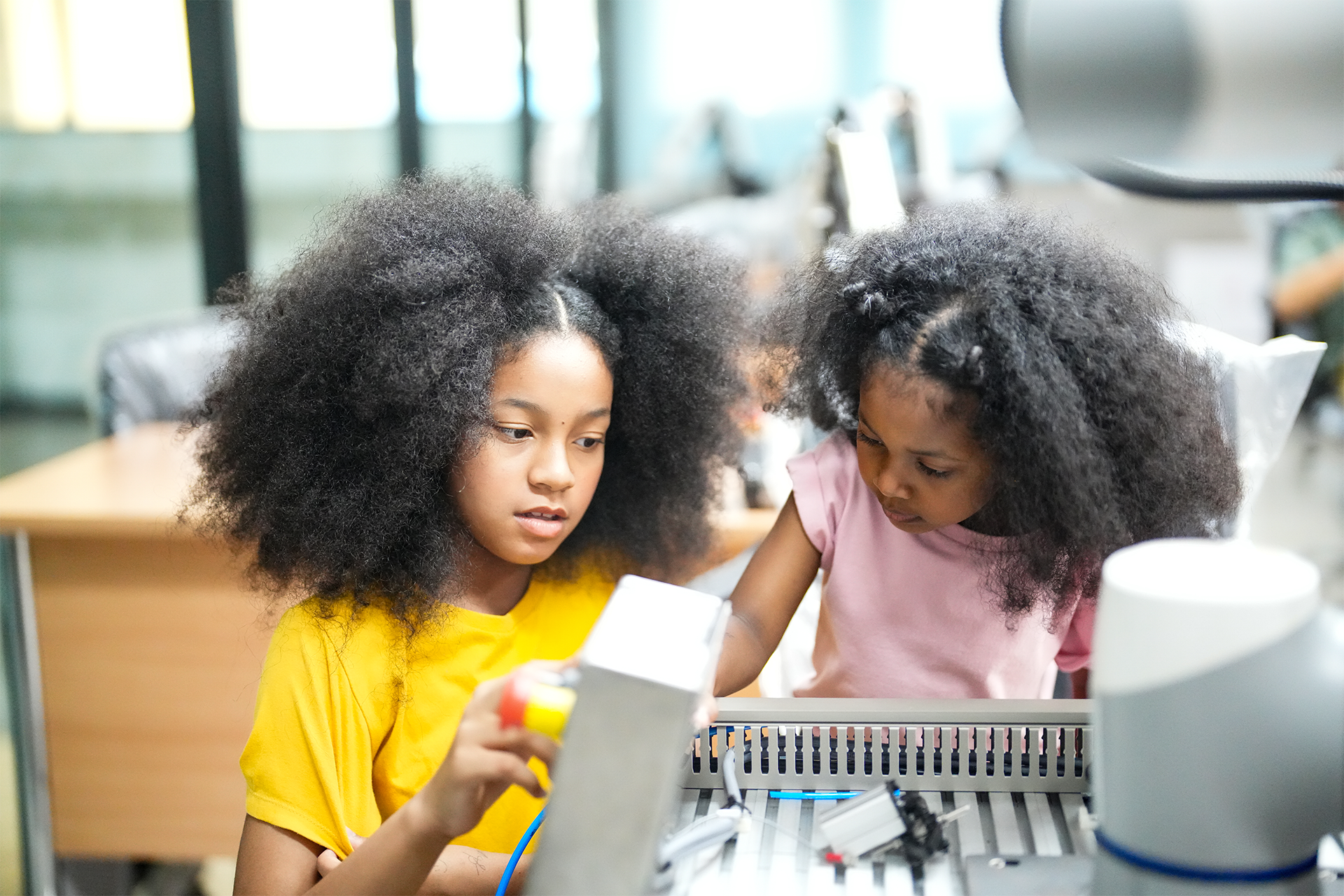
Discrimination against Black girls based on their hairstyles is unfortunately a prevalent issue that intersects with broader issues of racism, bias, and cultural identity. Here are some key points to consider: Eurocentric Beauty Standards: Historically, Eurocentric beauty standards have dominated societal norms, often marginalizing and devaluing natural hairstyles commonly worn by Black girls, such as afros, braids, twists, locs, and other protective styles. This bias can lead to discrimination and negative perceptions of Black girls based solely on their hair. School Dress Codes: Many schools have dress codes that explicitly or implicitly target hairstyles associated with Black culture, such as bans on "distracting" or "extreme" hairstyles, including natural hair worn in its natural state or protective styles like braids and locs. These policies disproportionately affect Black girls and contribute to feelings of stigma, shame, and self-consciousness about their hair. Workplace Discrimination: Black women and girls also face discrimination in professional settings due to their hairstyles. Some employers have policies or implicit biases that deem natural hairstyles or culturally specific hairstyles as unprofessional or inappropriate for the workplace, limiting career opportunities and perpetuating inequities. Legal and Policy Advocacy: In response to discriminatory practices targeting Black hairstyles, there has been a growing movement to challenge these biases through legal advocacy and policy reform. Several states and municipalities in the United States have passed legislation explicitly prohibiting discrimination based on natural hairstyles, affirming the right of individuals to wear their hair in its natural state or in culturally specific styles without facing repercussions. Impact on Self-Esteem: Discrimination based on hairstyles can have profound psychological and emotional effects on Black girls, impacting their self-esteem, identity development, and mental well-being. Feeling judged or ostracized because of their hair can contribute to feelings of shame, inadequacy, and cultural alienation. Cultural Pride and Empowerment: Despite the challenges...